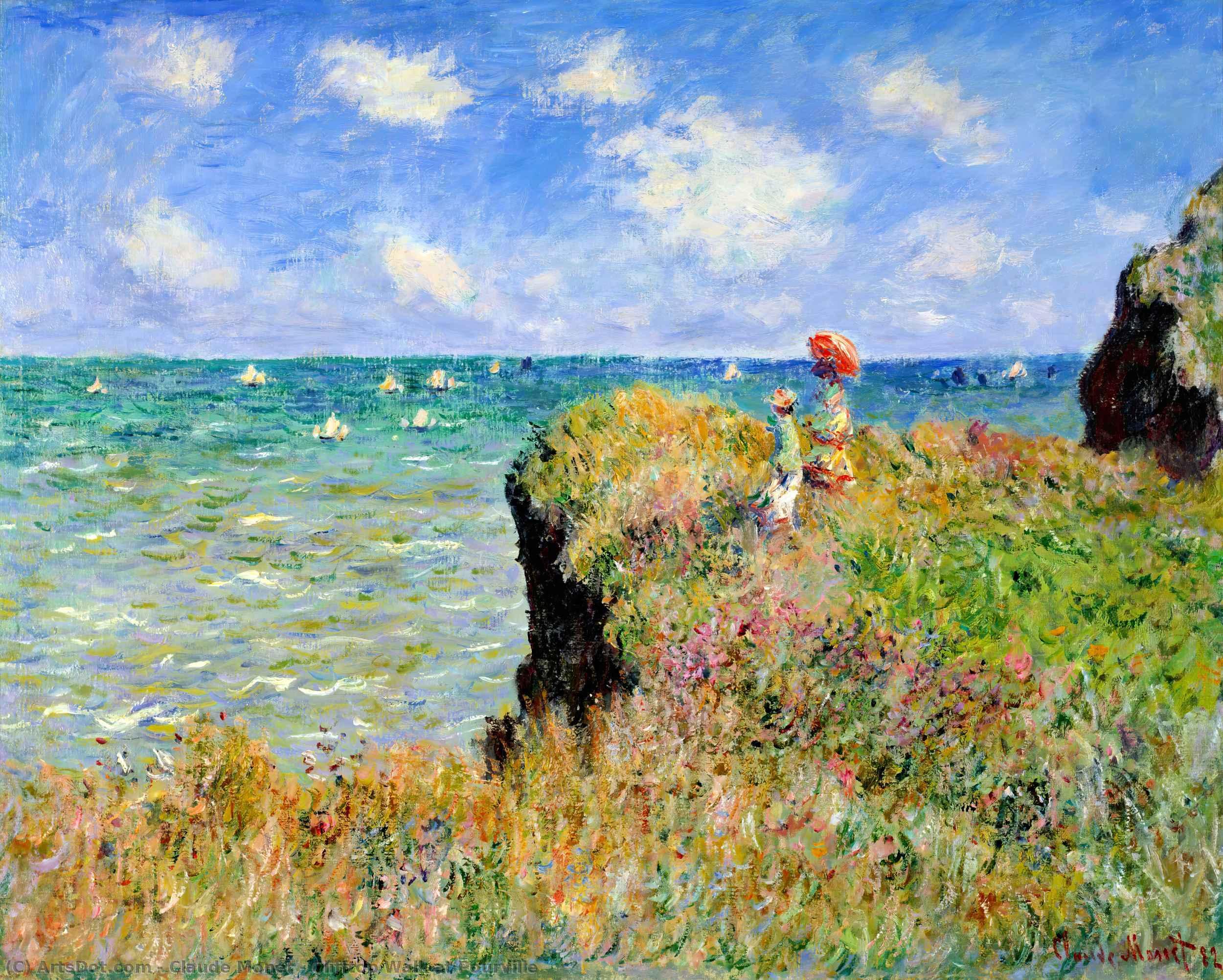
“It never ceases to amaze me: we all love ourselves more than other people, but care more about their opinion than our own.”
— Marcus Aurelius, Meditations 12.4
Be willing to look foolish if you want to improve.
This is something Epictetus encouraged in those who were serious about practicing Stoicism. Philosophy was never meant to exist only in books or in our thoughts. It was meant to be practiced in everyday life, often by stepping outside our comfort zones, facing uncomfortable situations, and sometimes doing things that others might find unusual.
If you want to become braver, happier, wiser, and more independent, you have to accept that there will be moments when you look awkward, inexperienced, strange, or even desperate. You might say the wrong thing, make mistakes, or find yourself in situations where you don't know what you're doing. And that's okay. Embarrassment is part of learning, just as discomfort is part of growing. The alternative is to spend your life avoiding these moments, only to look back one day and wonder what could have happened if you had simply tried.
Think about how often we hold ourselves back because of what other people might think. Some people hesitate to introduce themselves at social gatherings because they're afraid of appearing awkward. Others avoid negotiating because they fear being rejected. Sometimes, we keep our opinions to ourselves because they might be different from everyone else's in the room. We stay in relationships, jobs, friendships, and familiar routines that no longer help us grow, simply because making a change would require difficult conversations, uncertainty, and uncomfortable decisions.
And eventually, you begin to notice something. No one needs to control your decisions, discourage your ambitions, or silence your opinions anymore. You've already started doing those things to yourself.
This was something the ancient Stoics took seriously. Musonius Rufus emphasized the importance of putting philosophy into practice, while Cato became known for his willingness to stand apart from others, speak his mind, and remain firm in his principles, even when doing so made him unpopular.
Their example reminds us of something worth remembering: other people's opinions should never have more authority over your life than your own judgment.
After all, this is your first and only chance to live this particular life. It would be a shame to spend most of it seeking permission from people who are also trying to figure out their own lives.
I've come to believe that courage isn't something we suddenly find within ourselves. It's something we develop through small moments of discomfort, by choosing to act even when we're uncertain of the outcome.
And slowly, courage becomes something practical. Not through waiting until we feel confident, but through experiences that remind us that embarrassment eventually passes, rejection can be endured, and difficult conversations are often more manageable than we imagine.
You'll begin to realize that many of the things you've been avoiding only require a few uncomfortable minutes of your life. And sometimes, those few minutes are all that stand between where you are and where you want to be.
Over time, these small acts of courage can change the way you live.
You may find yourself asking more from life instead of quietly accepting whatever comes your way. You'll learn to leave situations that no longer serve you, make connections more naturally, communicate your needs more honestly, and pursue opportunities even when you don't feel completely ready.
Most importantly, you'll spend less time waiting for the perfect moment, the approval of others, or the confidence you think you need before taking action. Because perhaps the goal was never to stop caring entirely about what people think. Perhaps it was simply to stop allowing their opinions to decide how you live.
You don't have to be fearless to live courageously. Sometimes, you just have to be willing to look foolish, and do what matters to you anyway.